
Pipe Freezing Service
Overview
Technical Specification
| Parameter | Metric | Imperial |
|---|---|---|
| Min Pipe Dia | 100 mm | 4 inch |
| Max Pipe Dia | 609 mm | 24 inch |
| Pipe Temperature | 50° to 120° C | 122° F to 248°F |
| Fluid Used | Liquid Nitrogen | |
| Carbon dioxide | ||
| Material covered | Carbon Steels | |
| Aluminum Alloys | ||
| Cast Iron | ||
| Stainless Steel | ||
| Epoxy Coated Pipes | ||
| Nickel Alloys | ||
| Copper-based Alloys | ||
| Line Medium | Freshwater | |
| Glycol solutions | ||
| Seawaters | ||
| Effluents / Sewage | ||
| Produced water | ||
| Sludge’s | ||
| Crude oil | ||
| Fuel oils | ||
| Lubrication oils | ||
| Various chemical product | ||
Frequently Asked Questions
What is Pipe Freezing?
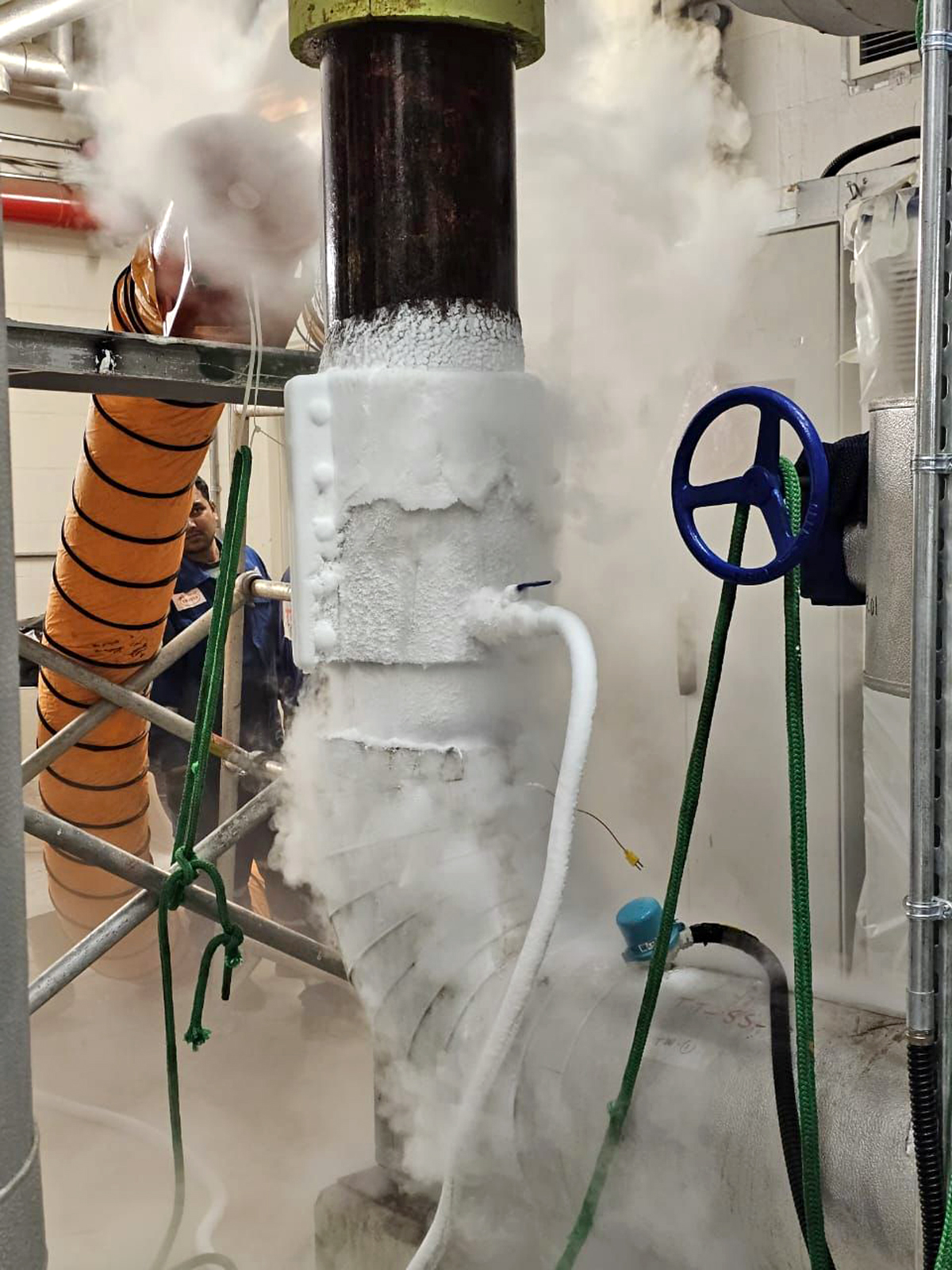
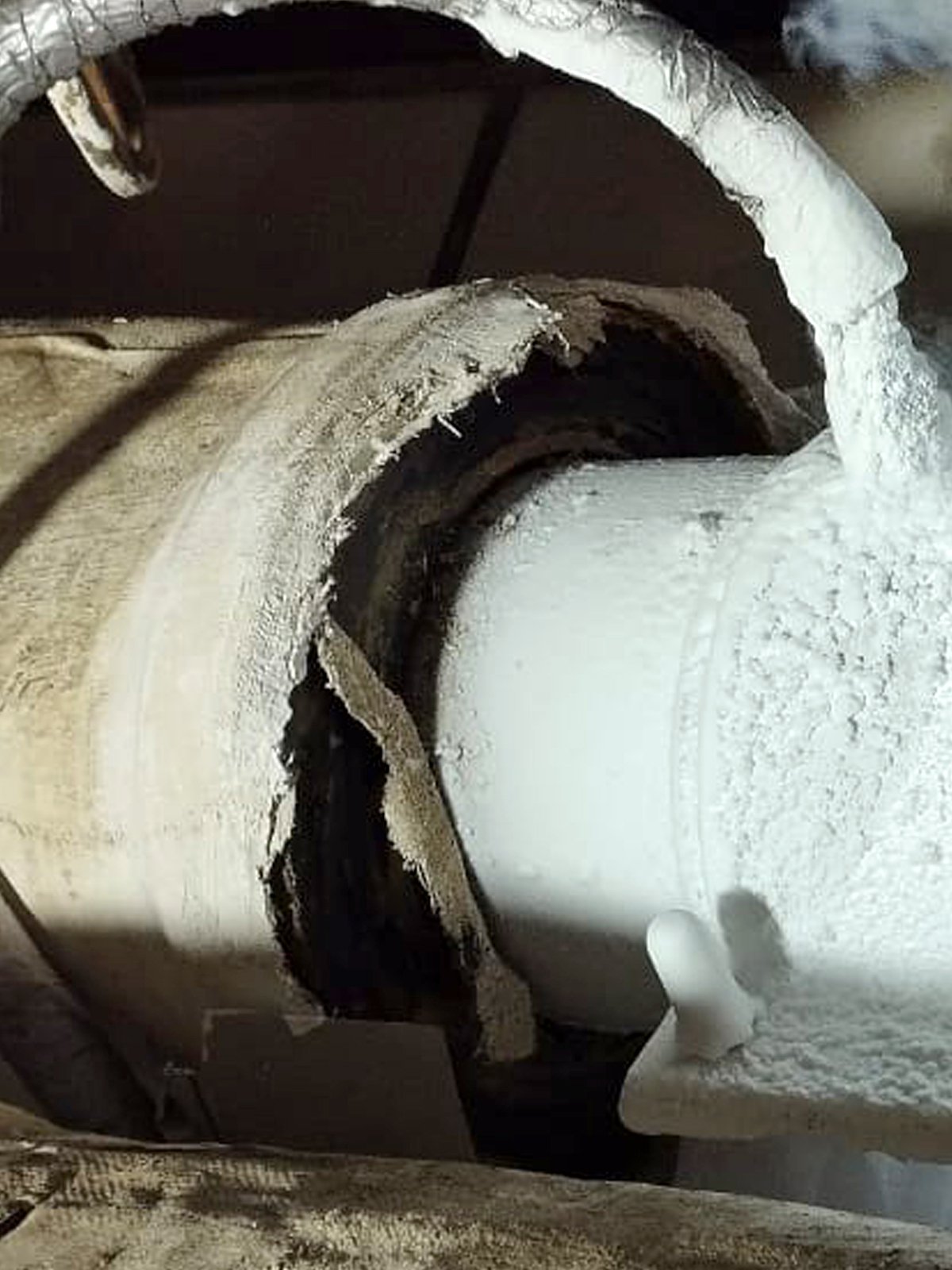
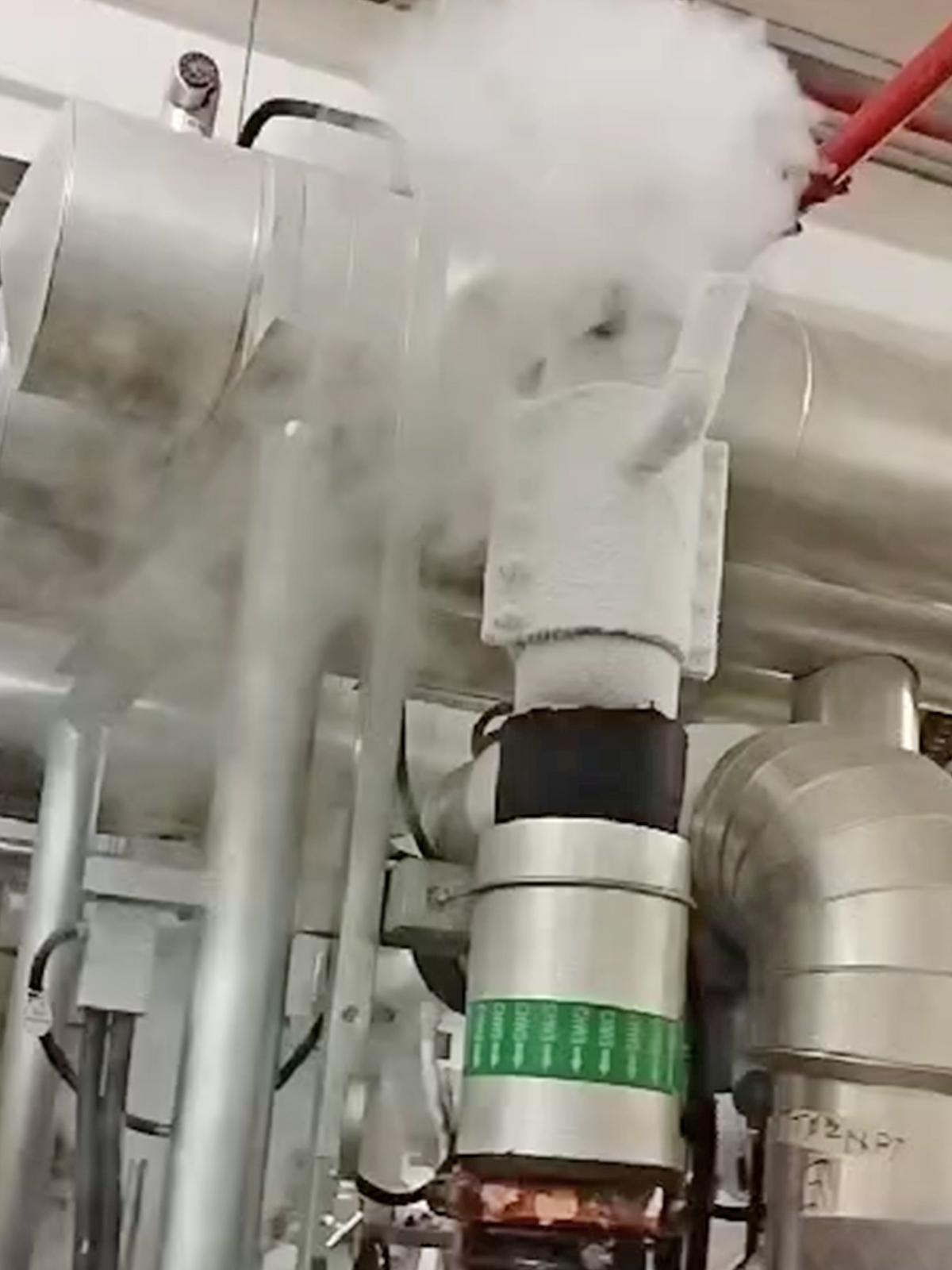
Pipe freezing is a method that uses an ice plug to temporarily block a section of a pipeline, allowing maintenance or modifications without draining the entire system.
Which Pipe Materials and Fluids Can Be Frozen?
Pipe freezing works with materials like carbon steel, stainless steel, and copper alloys. It’s effective for fluids such as water, crude oil, and chemicals.
How Long Does It Take to Form an Ice Plug?
The time varies as the size of the pipe varies, but modern techniques ensure the ice plug forms quickly.
What Industries Use Pipe Freezing?
It is majorly used in oil and gas, petrochemical, power generation, and water treatment industries.
How Does Pipe Freezing Compare to Other Isolation Methods?
Pipe freezing is often faster and more cost-effective than methods like valve shut-off or system draining, especially in complex systems.
What Temperatures Are Required for Pipe Freezing?
The exact temperature depends on the fluid and pipe material, but typically, temperatures below -20°C (-4°F) are needed to form a reliable ice plug.
How Is the Ice Plug Removed After Work Is Done?
The ice plug is allowed to liquify naturally, restoring normal flow through the pipeline without additional additives.
Can Pipe Freezing Be Used for Emergency Repairs?
Yes, pipe freezing is an excellent option for emergency repairs where immediate isolation is needed without shutting down the entire system.
Does Pipe Freezing Affect the Integrity of the Pipe?
No, when done correctly, pipe freezing does not damage the pipe. The process is controlled to ensure that the pipe’s structural integrity is maintained.